Sickle Cell Disease: Symptoms, Causes, Life Expectancy
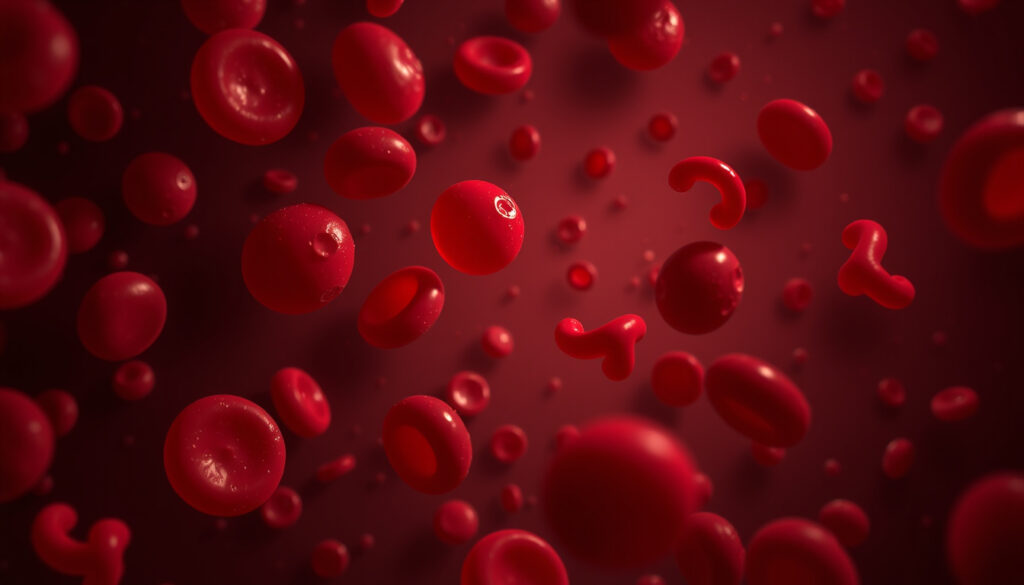
A tiny change in a single gene can remake the shape of a red blood cell — turning it from a flexible disc into a rigid crescent. That transformation, inherited from both parents, is the heart of sickle cell disease — a condition affecting 20 million people worldwide, where symptoms and outcomes are shaped as much by access to care as by genetics.
Affected in the US: 100,000 people (CDC) · Carrier frequency in African Americans: 1 in 12 · Most common severe form: Sickle cell anemia (HbSS)
Quick snapshot
- Sickle cell disease is caused by a point mutation in the hemoglobin beta gene (Cleveland Clinic (major US hospital system))
- Sickle-shaped red blood cells cause blockages (Mayo Clinic (leading US medical center))
- Hydroxyurea reduces frequency of crises (PMC review article (peer-reviewed research))
- Exact life expectancy varies widely by access to care (CDC (US public health authority))
- Gene therapy is promising but not yet widely available (Cleveland Clinic (major US hospital system))
- Effectiveness of different pain management strategies varies (PMC review article (peer-reviewed research))
- Symptoms typically begin around 6 months of age (Mayo Clinic (leading US medical center))
- Pain crises can start in infancy and continue throughout life (PMC review article (peer-reviewed research))
- Complications like organ damage accumulate over decades without treatment (PMC review article (peer-reviewed research))
- Gene therapies Casgevy and Lyfgenia recently approved in some countries (Cleveland Clinic (major US hospital system))
- Expanded newborn screening aims for earlier diagnosis (CDC (US public health authority))
- Research into curative options continues to accelerate (PMC review article (peer-reviewed research))
Five key facts lay out the basics at a glance.
| Attribute | Detail |
|---|---|
| Inheritance | Autosomal recessive |
| Affected population | Over 20 million worldwide, especially sub-Saharan Africa, India, Middle East |
| Carrier frequency in African Americans | 1 in 12 |
| Life expectancy (US) | Middle 40s to 60s |
| Common symptom | Painful vaso-occlusive crises |
What does sickle cell do to a person?
What are the 4 types of sickle cell disease?
- HbSS (sickle cell anemia) — most common and severe form (Cleveland Clinic, major US hospital system)
- HbSC — usually causes mild to moderate symptoms (Cleveland Clinic)
- HbS beta thalassemia — another genotype category (Cleveland Clinic)
- HbS trait — carrier state, not disease
The catch: Even “mild” types like HbSC can still cause complications, especially under stress or illness.
How does sickle cell affect red blood cells?
Sickle cell disease stems from changes in the HBB gene that alter hemoglobin (Cleveland Clinic, major US hospital system). Normal red blood cells live about 120 days; sickle cells survive only 10 to 20 days (Mayo Clinic, leading US medical center). The result is chronic anemia as the body cannot replace cells fast enough.
The deformed cells are rigid, sticky, and misshapen — they can clog small blood vessels (Mayo Clinic). This blockage causes the hallmark pain of vaso-occlusive crises and can damage organs over time.
A patient with sickle cell disease experiences a double burden: insufficient healthy red cells for oxygen delivery plus periodic blockages that starve tissues. PMC review article (peer-reviewed research)
The implication: managing sickle cell disease means addressing both the chronic anemia and the acute blockages simultaneously.
What is the life expectancy with sickle cell?
What factors affect life expectancy in sickle cell disease?
In high-income countries, people with sickle cell disease live into their 40s to 60s (CDC, US public health authority). In low-income settings, many die before age 5. Early diagnosis through newborn screening and comprehensive care — including vaccinations, hydroxyurea, and antibiotics — dramatically improve survival.
What this means: Life expectancy is not a fixed number; it is tied directly to where a person lives and the healthcare they receive. The gap between countries with universal screening and those without remains one of the starkest health disparities.
Even in the US, adult sickle cell patients often face difficulty finding specialists and may experience delayed pain management in emergency rooms, shortening expected survival.
The pattern: life expectancy with sickle cell disease is not a fixed prognosis but a reflection of healthcare access and quality.
What are 5 symptoms of sickle cell disease?
What are the early signs of sickle cell?
- Fatigue and anemia — from rapid red cell destruction (PMC review article, peer-reviewed research)
- Pain crises (vaso-occlusive crises) — recurrent episodes of severe pain (PMC)
- Jaundice — yellowing of the skin and eyes due to bilirubin buildup
- Swelling of hands and feet — dactylitis, often the first sign in infants (Mayo Clinic)
- Frequent infections — especially from encapsulated bacteria (PMC)
How does a sickle cell patient look?
Physical appearance can include pale skin, yellowing of the eyes, and a slightly enlarged abdomen due to splenomegaly. Delayed growth is common in children (CDC, US public health authority).
Why this matters: These visible signs often lead to stigma or misdiagnosis. Teachers and caregivers who know the early markers can push for testing before a crisis occurs.
Why are black people more prone to sickle cells?
What is the genetic cause of sickle cell disease?
The sickle cell mutation arose as a protective adaptation against malaria (Nature Scitable (educational resource from Nature Publishing)). In regions where malaria was endemic — parts of Africa, the Mediterranean, India, and the Middle East — carrying one copy of the mutation (sickle cell trait) offered a survival advantage. Over generations, the trait became more common in these populations.
In the United States, about 1 in 12 African Americans carries the trait (CDC, US public health authority). When two carriers have a child, there is a 25% chance the child will have sickle cell disease.
The pattern: This is not a racial condition — it is a genetic marker of ancestry from malaria-endemic regions. People of all backgrounds with such ancestry can be affected.
What triggers a sickle cell crisis?
Common triggers of sickle cell crisis
- Dehydration — lowers blood volume, promoting sickling
- Infection — increases oxygen demand and stress
- Extreme temperatures — cold or heat can provoke vasoconstriction or fluid loss
- Stress and overexertion — raise metabolic demands
- High altitude — reduces oxygen availability
Preventive measures include staying hydrated, avoiding extreme weather, and managing stress (PMC review article, peer-reviewed research).
The takeaway: Many triggers are avoidable. Patient education about environment and hydration is as important as medication in reducing crisis frequency.
Two leading voices in hematology summarize the basics:
Sickle cell disease is a group of inherited disorders that affect hemoglobin, the major protein that carries oxygen in red blood cells.NHLBI (US National Heart, Lung, and Blood Institute)
Regular checkups and preventive care can help reduce complications.Mayo Clinic (leading US medical center)
Looking ahead, the field is moving toward curative strategies. For the 100,000 Americans living with sickle cell disease, the decision pathway is sharpening: manage symptoms with proven drugs like hydroxyurea, or pursue transplant or gene therapy if eligible. For patients in countries without universal newborn screening, the first priority remains avoiding early death from infection.
ajmc.com, hematology.org, en.wikipedia.org, cdc.gov, youtube.com
Related coverage: high red blood cell count fördjupar bilden av High Red Blood Cell Count: Causes, Symptoms & When to Worry.
Frequently asked questions
Is sickle cell disease curable?
Bone marrow or stem cell transplant can cure select individuals with severe disease (PMC review article). Gene therapies Casgevy and Lyfgenia have also been approved in some countries for eligible patients (Cleveland Clinic).
Can sickle cell disease be prevented?
Not directly, but genetic counseling can help at-risk couples understand their chances. Newborn screening allows early intervention to prevent complications.
How is sickle cell disease diagnosed?
Through a blood test called hemoglobin electrophoresis or HPLC. Many countries screen newborns as part of routine testing (CDC).
What is the difference between sickle cell trait and sickle cell disease?
Sickle cell trait means a person carries one mutated hemoglobin gene and one normal gene; they usually have no symptoms. Sickle cell disease requires two mutated genes and causes chronic health problems.
Can sickle cell disease affect pregnancy?
Yes. Pregnant women with sickle cell disease face higher risks of pain crises, preterm birth, and low birth weight. Careful monitoring by a high-risk obstetric team is essential (ACOG (US obstetrics professional society)).
What support is available for people with sickle cell disease?
Patient advocacy groups such as the Sickle Cell Disease Association of America provide education, support groups, and resource navigation. Many hospitals have dedicated sickle cell clinics.
Which celebrity has sickle cell disease?
Musicians Tionne “T-Boz” Watkins (TLC) and Larenz Tate have publicly shared their diagnosis, helping raise awareness about the condition.
How does sickle cell disease affect mental health?
Chronic pain, hospitalizations, and stigma contribute to elevated rates of depression and anxiety. Integrated psychological support is increasingly recognized as part of comprehensive care (PMC review article).
Related reading
More related posts
 Good American Family Episodes: Count, Season 2 & Where to Watch
 Steven Bradbury: The ‘Last Man Standing’ Olympic Gold Story
 Ronn Moss: Life After The Bold and the Beautiful in 2025
 Hardware Stores Near Me in Ireland: Local Guide & Comparison
 M. Night Shyamalan: Films, Box Office Hits & Career Guide
 Limp Bizkit Dublin 2025: 3Arena Concert Guide
 Fridayz Live 2025: Lineup, Tickets, Dates & Record Crowds
 500 Euro to AUD – Live Rate and Conversion Guide
