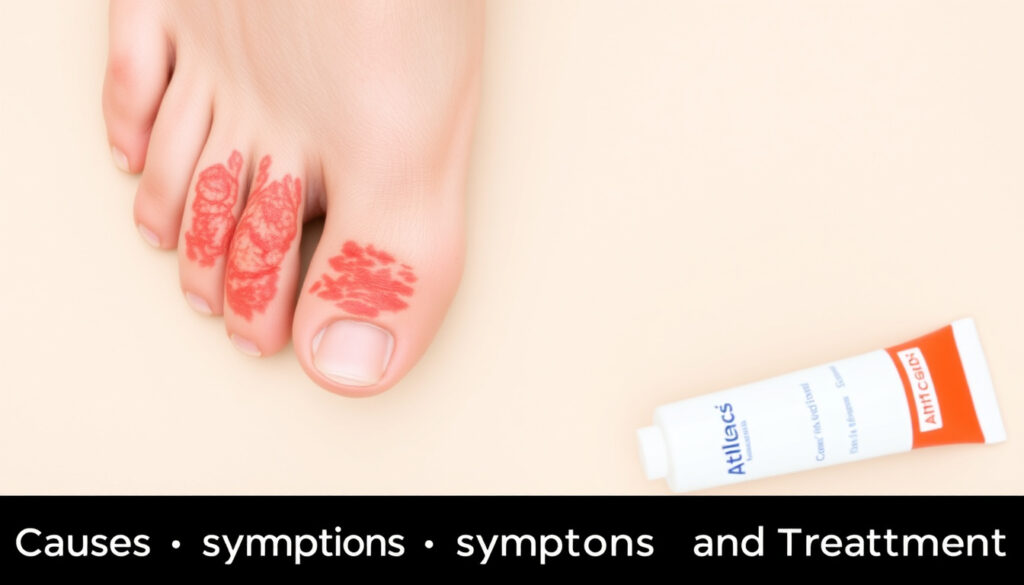
The Athlete’s Foot – Causes, Symptoms, Treatment
Athlete’s foot, medically known as tinea pedis, represents one of the most common fungal infections affecting people worldwide. This contagious condition primarily targets the skin of the feet, thriving in warm and moist environments where it can establish itself with remarkable ease. Despite its name, athlete’s foot does not exclusively affect athletes; it can develop in anyone who encounters the right conditions for fungal growth. Understanding the nature of this infection, its symptoms, causes, and treatment options remains essential for anyone seeking to protect their foot health and prevent its spread to others.
The infection stems from dermatophytes, a group of fungi capable of breaking down keratin—the protein found in skin, hair, and nails. When these organisms find favorable conditions on the feet, they multiply rapidly, causing the characteristic uncomfortable symptoms that prompt most people to seek treatment. Left unaddressed, athlete’s foot can persist for weeks or months, potentially leading to more serious complications or spreading to other body areas. The good news is that most cases respond well to over-the-counter treatments when addressed promptly and managed with consistent hygiene practices.
What Is Athlete’s Foot?
Athlete’s foot falls into a category of infections technically termed tinea, which refers to any fungal infection caused by dermatophyte fungi. The specific designation “pedis” indicates the feet as the affected body region. These microscopic organisms consume keratin as their food source, making skin, toenails, and hair viable targets. Several species of dermatophytes can cause athlete’s foot, including Trichophyton rubrum, Trichophyton mentagrophytes, Trichophyton interdigitale, and Epidermophyton floccosum, with T. rubrum accounting for the majority of cases in most populations.
Symptoms of Athlete’s Foot
The symptoms of athlete’s foot typically begin subtly and may not immediately signal a fungal infection to those unfamiliar with the condition. The most common early sign involves itching, stinging, or burning sensations, particularly pronounced in the spaces between the toes where moisture tends to accumulate. This discomfort often intensifies after removing shoes and socks, when the affected skin is exposed to air or when warmth and moisture increase around the feet.
Beyond itching, affected skin commonly displays scaling, cracking, peeling, redness, flaking, or the development of small blisters. The infection may also produce an unpleasant odor, especially when bacteria accompany the fungal growth. Symptoms typically concentrate in the interdigital clefts between the fourth and fifth toes but can spread across the soles, heels, or along the edges of the feet depending on the presentation pattern.
What Causes Athlete’s Foot and Is It Contagious?
Athlete’s foot spreads through direct contact with infected skin flakes or contaminated surfaces. The fungi responsible for the infection survive remarkably well on floors, particularly in communal areas where people walk barefoot. Locker rooms, public showers, swimming pool decks, and gym facilities represent hotspots where the infection readily transfers from one person to another. Shared towels, socks, shoes, and other personal items can also harbor the organisms long enough to facilitate transmission between individuals.
How Athlete’s Foot Spreads
The highly contagious nature of athlete’s foot means that contact with infected skin flakes poses an immediate risk of transmission. When someone with the infection walks barefoot across a floor, thousands of microscopic skin cells containing fungal spores scatter behind them. Subsequent barefoot walkers then collect these spores on their own feet, where the organisms seek out warm, moist environments to establish themselves. The fungi particularly favor the spaces between toes, where sweat and humidity create ideal conditions for growth.
Risk Factors
Certain conditions substantially increase susceptibility to athlete’s foot. Occlusive footwear—particularly tight-fitting shoes that trap heat and moisture—creates an environment where dermatophytes flourish. Individuals who experience excessive foot sweating, technically known as hyperhidrosis, face elevated risk because constant moisture weakens the skin’s natural defenses. Those with diabetes require particular vigilance, as fungal infections can lead to more serious complications in individuals with compromised circulation or immune responses.
People who frequent communal bathing facilities, athletes who wear damp athletic shoes for extended periods, and individuals taking antibiotics or corticosteroids all face increased susceptibility. Prolonged exposure to water, whether through occupational requirements or recreational activities, similarly compromises the skin’s protective barrier and facilitates fungal establishment.
How Is Athlete’s Foot Treated?
The vast majority of athlete’s foot cases respond effectively to topical antifungal medications available without prescription. These products come in various formulations including creams, powders, sprays, and lotions, allowing individuals to select the application method best suited to their needs and preferences. Active ingredients such as clotrimazole, terbinafine, miconazole, and tolnaftate have demonstrated effectiveness against the dermatophytes responsible for the infection.
Over-the-Counter Treatments
Consistent application of OTC antifungals for the recommended duration—typically one to two weeks—produces cure rates approaching 90 percent in uncomplicated cases. A critical point often overlooked involves continuing treatment for several days after symptoms visibly improve or disappear entirely. Stopping prematurely allows surviving fungi to regrow and establish the infection once more. For powder and spray formulations, treating the inside of shoes simultaneously helps eliminate reservoirs of fungi that might cause immediate reinfection.
Complete resolution generally requires two to four weeks of consistent treatment. Resistant cases or individuals with underlying health conditions may need longer courses or alternative approaches. Applying medications to clean, thoroughly dried feet maximizes absorption and effectiveness. Some clinicians recommend applying antifungal powder to feet before putting on socks as a preventive measure during and after treatment.
When to See a Doctor
Prescription-strength treatments become necessary when over-the-counter options prove insufficient or when the infection proves particularly stubborn. Oral antifungal medications such as terbinafine or itraconazole may be prescribed for severe, widespread, or recurrent cases. These systemic treatments reach deeper tissues than topical formulations but require medical supervision due to potential side effects and interactions with other medications. Additionally, concurrent fungal nail infections often necessitate separate treatment protocols because topical medications struggle to penetrate the hardened keratin of nails effectively.
What Happens If Athlete’s Foot Goes Untreated?
Ignoring athlete’s foot allows the infection to persist and potentially worsen over time. While mild cases might occasionally seem to improve temporarily, the underlying fungal colony typically remains active and eventually produces recurring symptoms. The infection does not resolve spontaneously in most cases, particularly when favorable conditions persist on the feet and within footwear. Without intervention, the affected area tends to expand, causing increasing discomfort and making eventual treatment more challenging.
Complications of Untreated Athlete’s Foot
Beyond chronic discomfort and spreading across the foot’s surface, untreated athlete’s foot can lead to significant medical complications. The damaged skin barrier may allow bacterial invasion, resulting in cellulitis—a potentially serious skin infection requiring antibiotics. In rare cases, particularly among individuals with diabetes or compromised immune systems, the infection can spread to deeper tissues including bone (osteomyelitis) or enter the lymphatic system (lymphangitis).
Scratching infected skin and then touching other body areas transfers the fungi, potentially causing athlete’s hand (tinea manuum), ringworm of the body (tinea corporis), or jock itch (tinea cruris) in the groin region. Toenail fungal infections frequently develop when athlete’s foot spreads to adjacent nail tissue, and these nail infections prove considerably more difficult to treat, sometimes requiring months of oral medication or laser therapy to resolve completely.
How Can You Prevent Athlete’s Foot?
Prevention of athlete’s foot centers on keeping feet clean, dry, and protected from contact with contaminated surfaces. Daily washing with soap and water, paying particular attention to the spaces between toes, removes accumulated sweat and skin cells that might otherwise harbor fungi. Thorough drying after washing proves equally important, as damp environments encourage fungal growth. Talcum powder or antifungal foot powders help absorb excess moisture and create an unfavorable environment for dermatophytes.
Footwear choices significantly impact prevention success. Breathable shoes made from natural materials allow air circulation that helps keep feet dry, while occlusive synthetic footwear traps heat and moisture. Changing socks daily—or more frequently when feet perspire heavily—prevents buildup of moisture and skin cells. Wearing flip-flops or shower shoes in public locker rooms, showers, and pool areas provides a protective barrier against contaminated surfaces. Some people find success applying antifungal powder to feet and inside shoes as a preventive measure, particularly during hot weather or when frequenting high-risk environments. For additional information on maintaining foot health and preventing common conditions, see our comprehensive guide on Best Above Ground Pools which covers related wellness topics.
Timeline of Athlete’s Foot Infection
Understanding the typical progression of athlete’s foot helps set realistic expectations for those dealing with the infection. The timeline from initial exposure to complete resolution varies considerably based on treatment, individual factors, and the specific fungal strain involved.
- Day 0 – Exposure: Contact with infected skin flakes or contaminated surface deposits fungal spores onto the foot.
- Days 4-14 – Incubation: Fungi establish themselves in warm, moist skin, beginning to multiply and cause subtle changes.
- Weeks 1-2 – Active Infection: Symptoms become noticeable with itching, redness, scaling, and potential cracking of affected skin.
- Weeks 2-4 – Treatment Period: With appropriate antifungal treatment, fungal activity declines and skin begins healing.
- Weeks 4-6 – Resolution: Most properly treated cases show complete resolution, though continued hygiene practices prevent recurrence.
Myths and Facts About Athlete’s Foot
Numerous misconceptions surround athlete’s foot, leading some people to underestimate its severity or pursue ineffective remedies. Separating evidence-based information from common misunderstandings helps ensure appropriate response to the infection.
| Common Belief | Medical Reality |
|---|---|
| Only athletes contract this condition | Athlete’s foot affects up to 70% of the general population at some point; anyone spending time in warm, moist environments risks developing it |
| The condition represents merely dry skin | Athlete’s foot requires antifungal treatment; moisturizers alone cannot resolve the underlying fungal infection and may worsen it |
| Household remedies like bleach or vinegar reliably cure the infection | No strong scientific evidence supports these approaches; proven topical antifungals remain the standard of care |
| The infection will disappear on its own | Without treatment, athlete’s foot typically persists and may spread or cause complications |
| Once symptoms vanish, treatment can stop | Fungi often survive even when symptoms improve; completing the full treatment course prevents recurrence |
Understanding Recurrence and Long-Term Management
Athlete’s foot demonstrates a notable tendency toward recurrence, particularly among individuals who do not address underlying environmental factors. The fungi that cause this infection survive readily in shoes, socks, and on household surfaces, creating potential for immediate reinfection even after successful treatment of the active infection. Studies indicate that a substantial percentage of those who develop athlete’s foot experience at least one recurrence, often within months of initial resolution.
Managing long-term risk involves integrating preventive practices into daily routines rather than relying solely on treating acute episodes. Disinfecting shoes with antifungal sprays or powders, alternating footwear to allow complete drying between uses, and maintaining vigilant foot hygiene all contribute to reducing recurrence rates. Some individuals benefit from applying preventive antifungal powder to feet or inside shoes during periods of elevated risk, such as summer months or regular gym attendance. Those interested in related fitness and foot health topics may find our review of Asics Kayano 32 Review helpful for selecting appropriate footwear.
Distinguishing Athlete’s Foot From Toenail Fungus
While both conditions involve fungal infections and share some underlying causes, athlete’s foot and toenail fungus present distinct characteristics requiring different treatment approaches. Athlete’s foot targets moist skin tissue between the toes and on the soles of feet, affecting the epidermis rather than harder keratin structures. Topical antifungal medications penetrate these soft tissues effectively, typically achieving resolution within weeks when properly applied.
Toenail fungus, technically termed onychomycosis, infects the keratinized nail plate and often the underlying nail bed. The hardened nature of nail tissue makes topical treatment challenging, explaining why these infections frequently require oral antifungal medications taken for months or procedural interventions such as laser therapy. Untreated athlete’s foot can serve as a reservoir for fungi that subsequently spread to toenails, making prompt treatment of foot infections important for nail health as well.
Key Sources and Expert Guidance
Medical organizations and healthcare institutions provide the most reliable information about athlete’s foot diagnosis, treatment, and prevention. The Cleveland Clinic emphasizes the contagious nature of the condition and stresses hygiene practices including avoiding scratching to prevent spread. The Mayo Clinic highlights that the characteristic rash typically begins between the toes and spreads through contact with contaminated floors, towels, and shared spaces. Research published through the National Center for Biotechnology Information details the dermatophyte species involved, risk factors including diabetes, and potential complications in immunocompromised individuals.
Preventive foot care represents the most effective strategy against athlete’s foot. Keeping feet clean and dry, wearing appropriate footwear in public areas, and treating infections promptly all contribute to maintaining foot health and preventing spread to others.
— Consensus from Cleveland Clinic, Mayo Clinic, and MedlinePlus guidance
Summary
Athlete’s foot represents a common, treatable fungal infection affecting millions of people regardless of athletic involvement. The condition spreads readily through contact with infected skin or contaminated surfaces, particularly in warm, moist environments. Recognizing symptoms early—itching, burning, scaling, and cracking between the toes or on foot surfaces—allows prompt treatment that typically resolves the infection within two to four weeks. Over-the-counter antifungal medications prove effective for most cases, though prescription treatments may be necessary for severe or recurrent infections. Prevention through good foot hygiene, keeping feet dry, wearing appropriate footwear in public areas, and avoiding shared personal items offers the best protection against both initial infection and recurrence.
Frequently Asked Questions
Can athlete’s foot spread to hands?
Yes, touching infected feet and then touching other body parts can transfer the fungi to hands, causing tinea manuum. Scratching should be avoided to prevent this spread.
What is the fastest way to cure athlete’s foot?
Starting OTC antifungal treatment immediately and applying it consistently for the full recommended duration offers the quickest resolution. Continuing treatment for several days after symptoms disappear prevents incomplete cure.
How long does athlete’s foot last without treatment?
Without treatment, athlete’s foot typically persists for weeks to months and may worsen or spread to nails or other body areas. Most cases eventually require intervention to fully resolve.
Does athlete’s foot go away on its own?
Mild cases occasionally improve temporarily, but complete spontaneous resolution without treatment is uncommon. The infection usually requires antifungal medication to fully clear.
Can I exercise with athlete’s foot?
Light exercise may be possible, but feet should be kept as dry as possible. Shower shoes should be worn in communal facilities, and affected individuals should avoid spreading the infection by touching other areas after scratching.
Are home remedies effective for athlete’s foot?
While some natural substances like tea tree oil show antifungal properties and may provide supportive benefits, proven topical antifungals remain the primary recommended treatment. Home remedies alone typically prove insufficient.
What should I do if athlete’s foot keeps coming back?
Recurrence often indicates contaminated shoes or incomplete treatment. Treating shoes with antifungal powder, completing full treatment courses, and maintaining preventive hygiene practices typically break the recurrence cycle.
More related posts
 Stella Banderas: Biography, Career, Family, and Wedding Details
 Things to Do Perth – Beaches, Parks and Day Trips
 Odessa A’zion: Biography, Nepo Baby Status, and Facts
 Peach PRC: Real Name, Age, Music, and Meaning of Her Name
 Clint Eastwood: Real Name, Current Life, and Views
 Chris Lilley: Career, Controversy, and Current Status (2026)
 Coban Salatasi Near Me – Authentic Recipe and Restaurant Guide
 Tayla Harris: Age, Partner, AFLW and Boxing Career
