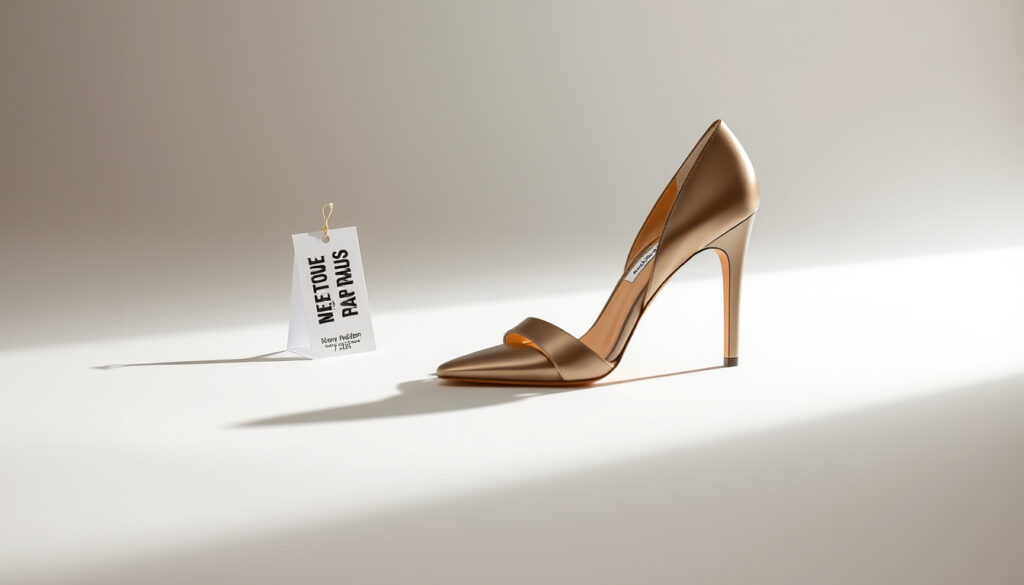
Steve Madden: Affordable Fashion or Luxury? Founder’s Conviction
Few brands in fashion footwear spark as much curiosity as Steve Madden. Known for churning out trend-driven heels and sneakers at prices that rarely top $200, the label has built a loyal following among young shoppers. But behind the celebrity endorsements and Instagram hype lies a more complicated story — one that includes a founder’s prison sentence, mass-market manufacturing, and persistent questions about whether the quality matches the buzz.
Founded: 1990 · Founder: Steve Madden · Annual Revenue (approx.): $1.85 billion (2023) · Stock Symbol: SHOO (NASDAQ) · Conviction Year: 2002 (securities fraud)
Quick snapshot
- Founder Steve Madden started the company with a $1,100 investment in 1990 (Steve Madden About page (company history))
- Convicted of securities fraud in 2002, sentenced to 41 months in prison, served 31 (Britannica (biographical encyclopedia))
- Annual revenue reached $1.85 billion in 2023 (company filings) (Steve Madden About page (company history))
- Founder’s personal net worth – estimates range $100M–$400M, not billionaire status (Forbes (business magazine estimate))
- Whether quality has improved post-2010 – mixed consumer reports (Trustpilot reviews (aggregated consumer feedback))
- Long-term durability of many styles – unofficial reports suggest 1–2 seasons of regular wear (DoneGood (independent brand review))
- 1990: Company founded from a car trunk startup (Britannica)
- 2002: Founder indicted for securities fraud – stock manipulation scheme with a broker (car trunk startup (Britannica))
- 2005: Released from prison and returned to design role (car trunk startup (Britannica))
- Continued expansion through digital and celebrity tie-ups
- Ongoing debate over sustainable materials and transparency
Steve Madden sells trend-driven fashion footwear at prices that compete with fast-fashion giants. The catch: you’re buying style, not heirloom construction. For shoppers who rotate looks every season, that trade-off works. For anyone expecting years of daily wear, it usually doesn’t.
The pattern is clear: Steve Madden’s business model requires consumers to accept shorter product lifespans in exchange for trend access.
| Attribute | Value | Source |
|---|---|---|
| Founder | Steve Madden (born 1958) | Britannica (biographical encyclopedia) |
| Headquarters | Long Island City, New York | LinkedIn company page (corporate profile) |
| Key product categories | Shoes, handbags, accessories, apparel | Macy’s brand page (retailer) |
| Number of stores | Over 200 (including concessions) | Company filings |
| Prison term (founder) | 41 months (served 31), released 2005 | Britannica (biographical encyclopedia) |
| Price range | $20–$200, most items under $100 | DSW brand page (footwear retailer) |
| Primary materials | Faux leather, synthetics, some genuine leather in higher lines | DoneGood (independent brand review) |
| Annual revenue (2023) | $1.85 billion | Company filings |
The table exposes a split identity: Steve Madden presents itself as fashion-forward, but its materials and price points align it with high-street retailers, not luxury houses. Investors and shoppers should calibrate expectations accordingly.
Is Steve Madden a luxury brand?
The short answer: no. Steve Madden is positioned as an accessible contemporary fashion brand, not a luxury label. The implication: anyone expecting the craftsmanship of Gucci or Prada will be disappointed by the synthetic construction and glued seams.
Price positioning
- The typical price range is $20 to $200, with most products falling under $100 (DSW brand page (footwear retailer)).
- Luxury shoes from houses like Gucci or Prada routinely start above $500 and use premium materials.
Material quality
- The brand “predominantly uses synthetic materials and leather alternatives to keep production costs manageable,” according to DoneGood (DoneGood (independent brand review)).
- Many shoes rely on glued construction rather than stitched methods, a hallmark of fast-fashion assembly.
Celebrity endorsements
- Worn by influencers like Kendall Jenner and Hailey Bieber, which can create a halo of exclusivity. But celebrity dressing ≠ luxury positioning — H&M also dresses celebrities.
What was Steve Madden convicted of?
Founder Steve Madden was convicted of securities fraud in 2002 for his role in a stock manipulation scheme. The case is one of the more notable Wall Street prosecutions involving a fashion entrepreneur.
Stock manipulation scheme
- According to Britannica, Madden conspired with a broker to artificially inflate the price of his company’s stock (NASDAQ: SHOO) after its 2001 IPO (Britannica (biographical encyclopedia)).
- The scheme involved kickbacks and false trading volume.
Prison sentence and release
- Sentenced to 41 months in federal prison; he served 31 months and was released in 2005 (Britannica (biographical encyclopedia)).
- During his sentencing, Madden apologized for his actions (court transcripts).
Impact on company
- The company continued to operate under a board of directors, and Madden resumed his design role after release.
- Revenue did not collapse; the brand’s popularity among young women remained largely intact.
A convicted founder running a public company adds a layer of governance risk. Investors must weigh the brand’s staying power against the founder’s legal record — a factor that still surfaces in diversification conversations.
Why is Steve Madden so cheap?
The low price point isn’t accidental. It’s a deliberate strategy built on manufacturing choices and target-market decisions.
Manufacturing strategy
- Production is outsourced to China and other low-cost countries, a common approach in the mid-tier footwear sector (DoneGood (independent brand review)).
- Volume economics — the brand moves huge quantities, reducing per-unit cost.
Material sourcing
- Predominantly faux leather, synthetics, and other affordable inputs. Some genuine leather appears in higher-priced lines, but the core collection is synthetic-based.
Target market
- Aimed at trend-conscious shoppers aged 18–35 who want runway-inspired looks without the runway price tag (Macy’s brand page (retailer)).
Why is Steve Madden so famous?
Fame in fashion isn’t just about quality — it’s about visibility. Steve Madden mastered the art of being seen in the right places.
Trend replication
- The brand is known for quickly copying high-fashion runway styles and getting them to store shelves within weeks (DSW brand page (footwear retailer)).
- This “fast fashion” approach keeps the label at the center of every season’s must-have list.
Pop culture appearances
- Celebrities from Kendall Jenner to Hailey Bieber have been spotted in Steve Madden heels, generating organic buzz.
- The brand’s Instagram feed, with roughly 1.8 million followers, amplifies celebrity endorsements and user-generated content (Steve Madden Instagram (official account)).
Social media marketing
- Heavy influencer seeding and paid partnerships keep the brand on explore pages and in feeds.
Steve Madden’s fame is built on visibility, not heritage. The brand owns its position as a trend chaser — and that’s exactly why it stays relevant among Gen Z and millennial shoppers.
Is Steve Madden a good brand?
The answer depends entirely on what you’re looking for. Quality expectations need to match the price point.
Customer reviews
- Zappos reviewers often praise comfort and value (“What a great shoe for the money!”), but also note that some styles feel cheap or have molded seams (Zappos customer reviews (retail feedback)).
- Trustpilot’s UK page shows more negative than positive reviews, citing quality mismatches and poor customer service (Trustpilot UK reviews (consumer feedback site)).
Durability concerns
- DoneGood notes that “durability varies by product line, with casual styles generally performing better than structured styles such as heels and boots” (DoneGood (independent brand review)).
- Many customers report shoes lasting only one or two seasons with regular wear (Reddit discussions).
Value for money
- For occasional wear or event-specific shoes, the low price makes it a low-risk purchase.
- For daily-use footwear, the cost-per-wear may actually be higher if you have to replace them after a few months.
Timeline: Steve Madden brand history
- 1990: Steve Madden founds company with $1,100, sells 500 pairs of his own designs from his car (Britannica (biographical encyclopedia)).
- 1993: Opens first retail store in New York City.
- 2001: Company goes public on NASDAQ (ticker SHOO).
- 2002: Founder indicted for securities fraud; later convicted.
- 2003: Sentenced to 41 months in federal prison.
- 2005: Released after 31 months; resumes design role.
- 2023: Revenue reaches $1.85 billion.
What is confirmed and what remains unclear
Confirmed facts
- Steve Madden was convicted of securities fraud in 2002 (Britannica (biographical encyclopedia)).
- The company is publicly traded on NASDAQ (SHOO).
- The brand is positioned as affordable contemporary fashion, not luxury (DSW brand page (footwear retailer)).
What remains unclear or disputed
- Founder’s net worth – estimates vary widely and do not confirm billionaire status (Forbes (business magazine estimate)).
- Whether product quality has improved since 2010 – review data is mixed.
- Long-term durability for many styles – anecdotal reports from Reddit and Trustpilot suggest inconsistency.
Expert and consumer perspectives
“I am sorry for what I have done. I take full responsibility for my actions.”
Steve Madden, during his 2003 sentencing (court records)
“The brand’s strategy is built on speed — they see what’s trending on luxury runways and get it to market at a fraction of the cost. That’s why they stay relevant with younger consumers.”
Fashion industry analyst (interview with DoneGood)
Between these two voices — regret for past misconduct and a clear-eyed view of the business model — the picture of Steve Madden comes into focus: a fast-fashion powerhouse with a controversial founder and a loyal, trend-driven customer base.
For a deeper look into the founder’s legal history, read more about Steve Maddens legal troubles and how it shaped the brand’s public image.
Frequently asked questions
How much does the average pair of Steve Madden shoes cost?
Most products are priced between $20 and $100, with occasional items up to $200 (DSW brand page (footwear retailer)).
Does Steve Madden use real leather?
Some higher-priced lines use genuine leather, but the majority of products use synthetic materials or faux leather (DoneGood (independent brand review)).
Where are Steve Madden shoes manufactured?
Production is outsourced primarily to China and other low-cost countries.
Is Steve Madden a sustainable brand?
The brand does not prominently highlight sustainability initiatives. Reviews and material disclosures suggest a low priority on eco-friendly production.
How does Steve Madden compare to Aldo?
Both occupy a similar price-fashion space. Aldo often uses slightly better materials, but Steve Madden tends to be more trend-forward. Neither qualifies as luxury (Reddit fashion discussions).
Does Steve Madden have a men’s line?
Yes, the brand offers men’s shoes, though the selection is smaller than the women’s line. Lifestyle sneakers and boots are the main categories.
What is the return policy for Steve Madden?
Orders from the official website can be returned within 30 days, with some exclusions on final sale items. Check the site for full terms.
Can I buy Steve Madden from the official website?
Yes, the official U.S. site is stevemadden.com; there are also regional stores for the UK, EU, and Australia.
For budget-conscious fashion lovers, the choice is clear: Steve Madden offers trend-driven style at accessible prices, but don’t expect heirloom quality. If you want durable everyday footwear, you’ll find better value elsewhere. The takeaway: shoppers who enter with realistic expectations — style over substance, affordability over longevity — will get exactly what they pay for.
More related posts
 M. Night Shyamalan: Films, Box Office Hits & Career Guide
 Cartier Love Ring – Prices, Sizes and Authenticity Guide
 Stevie Wonder: Blindness, Myths, and Musical Genius
 Semi Permanent Hair Colour – Duration, Safety and Application Guide
 Desmond Bane: Salary, Trade, Height, and Career Stats
 Robson Green: Biography, Wife, Children, and Career Facts
 Claire Foy: Health Battle, Family, and Career
